
What local SEO actually means
When someone searches for a service near them, Google shows two things: a map with a short list of businesses, and the ordinary blue links underneath. Local SEO is the work that helps you show up in both.
The map results lean heavily on your Google Business Profile — the free listing with your opening hours, photos and reviews. The blue links lean on your website. They're separate systems that feed each other, which is why doing only one tends to disappoint.
Start with your Google Business Profile
If you only do one thing, do this. A complete profile is free, takes an afternoon, and is the single biggest lever most local businesses have.
- Pick the most specific primary category that describes your work
- Write the description in plain language, mentioning what you do and where
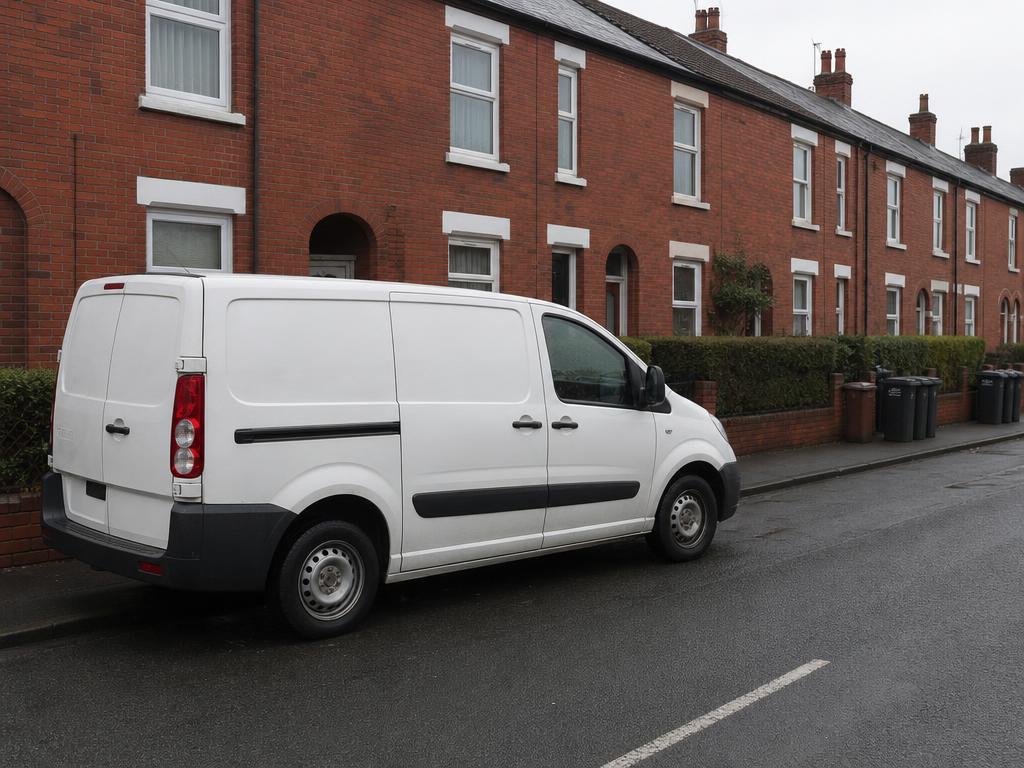
- Add real photos of finished work, your van or your premises
- Set accurate opening hours, including bank holidays
- List your service areas honestly rather than the whole county
- Turn on messaging only if you'll actually reply quickly
- Post occasionally — a recent job, a seasonal reminder, a change of hours
Reviews: the part most owners avoid
Reviews influence both where you appear and whether anyone rings you once they've found you. Volume matters, but so does recency — twenty reviews from four years ago read worse than eight from this year.
The reliable method is unglamorous: ask every happy customer, at the moment the job finishes, with a link ready on your phone. Never buy reviews or write them yourself. Reply to the negative ones calmly and factually; a measured reply often reassures the next reader more than the complaint worries them.
Make your details identical everywhere
Your business name, address (or service area), phone number and website should match exactly across your site, your Google profile, Checkatrade, Facebook and any directory you're listed in. Old numbers and abandoned listings quietly undermine you. Search your own business name and tidy up whatever you find.
What your website needs to pull its weight
- A clear page for each main service rather than one page listing everything
- The towns and areas you cover written naturally in the copy
- Your phone number as tappable text, not buried in an image
- Reviews, accreditations and insurance shown where people can see them
- Pages that load quickly on a phone signal, not just on office wi-fi
- Real photos of your own work instead of stock imagery
Location pages — useful or spam?
A page for a town you genuinely work in can help, provided it says something true and specific about working there. Mention the areas, the sort of properties, the jobs that come up locally.
What doesn't work is generating twenty near-identical pages with the town name swapped. Google has been filtering that out for years, and visitors notice it immediately. Two or three honest area pages beat twenty thin ones.
A sensible order to work through
| Step | Effort | Typical impact |
|---|---|---|
| Complete your Google Business Profile | An afternoon | High |
| Fix inconsistent name, number and address details | A couple of hours | Medium |
| Add or rewrite service pages on your site | A few days | High |
| Build a steady review habit | Ongoing | High |
| Add one or two genuine area pages | A day | Medium |
| Get listed in relevant trade directories | A few hours | Low to medium |
How long it takes
Profile changes can show within days. Website changes usually take a few weeks to settle, and competitive areas take months of consistency. Anyone promising a top spot by a fixed date is guessing. What you can control is whether the fundamentals are in place, and most competitors haven't bothered.
Where I fit in
Every website I build includes a sensible on-page SEO foundation — proper page titles, headings, descriptions, fast loading and a sitemap. If you want the local side handled too, Local SEO Setup is a £200 add-on covering your Google Business Profile, local keyword wording and consistent details across listings. It's optional, and I'll tell you plainly if you don't need it yet.